Shopping Cart Teppan: A $30 Hiroshima Okonomiyaki Setup from Big-Box Aisles
The first obstacle to cooking Hiroshima-style okonomiyaki in the States usually isn't technique. It's the assumption that you need a specialty store run before you can even begin. You don't. A workable setup costs about thirty dollars, and most of it comes from the same aisles where you buy lightbulbs and trash bags.
This is a starter kit, not a forever kit. The goal is to get one respectable okonomiyaki on the table this week, then upgrade the pieces that actually matter to you.
One assumption up front: this budget doesn't include a cooking surface. If you already own a 12-inch nonstick skillet or an electric griddle, you're set. If not, that's a separate $25–40 purchase, and either works.
The tool list
| Tool | Where it lives | Ballpark price |
|---|---|---|
| Bench scraper (dough scraper) | Baking aisle, big-box store | $5 |
| Two thin metal spatulas | Kitchen gadget aisle | $6 |
| 13-inch mesh splatter screen | Kitchen gadget aisle | $6 |
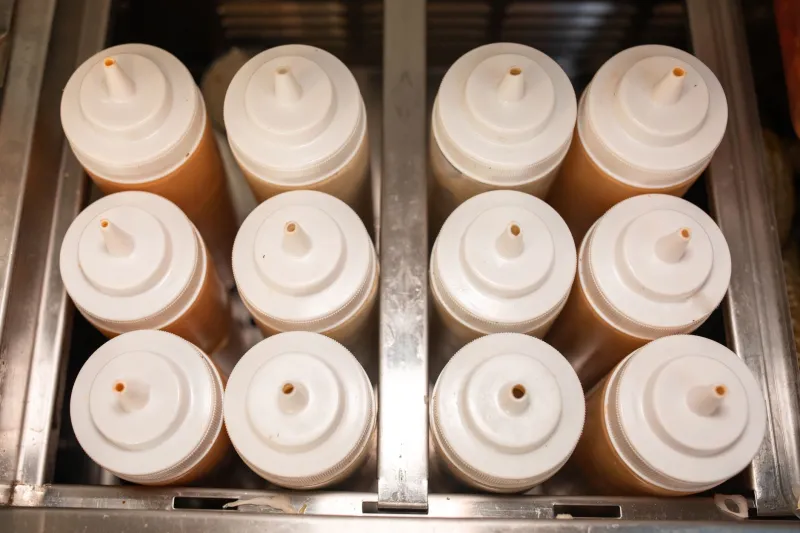
| Squeeze bottle (or two) | Kitchen gadget aisle | $4 |
| Long cooking chopsticks or tongs | Anywhere | $3 |
| Parchment and foil | Grocery | $6 |
That's roughly $30, and half of it is stuff you'll use for everything else you cook. The two thin spatulas are the non-negotiable item — a stack of cabbage, noodles, and egg needs support on both sides when it gets flipped. A single thick spatula will lose the fight.
Prices here are ballpark for late 2026 and bounce around by region and by store, so treat the total as an estimate rather than a promise.
The supermarket ingredient list
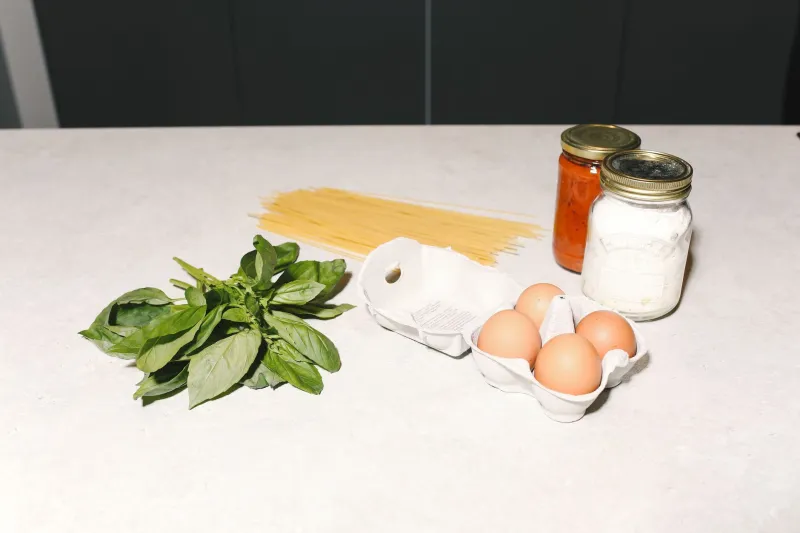
Almost all of this is in a regular American grocery store, no specialty aisle required:
- A head of green cabbage ($2–3)
- Half a dozen eggs ($2–3)
- All-purpose flour ($3 for a 5-pound bag you'll use for months)
- A bunch of scallions ($1)
- Thick-cut bacon ($5)
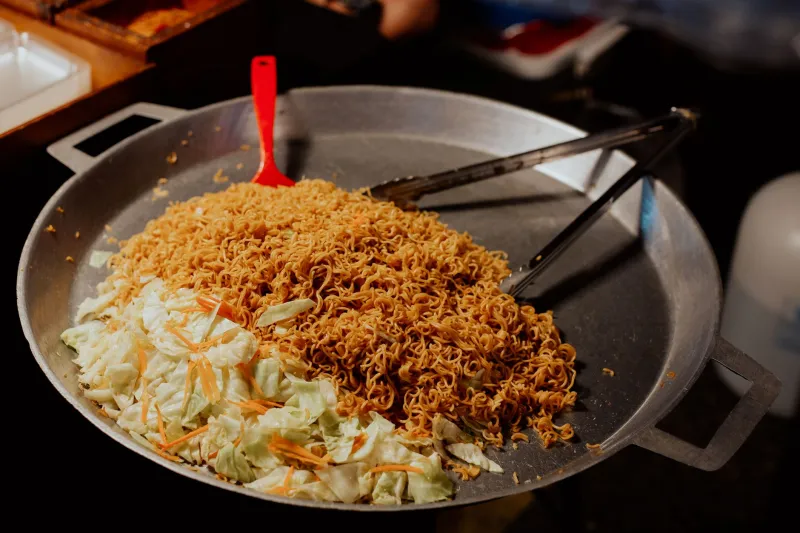
- Refrigerated yakisoba noodles from the Asian shelf, or dried noodles ($2–3)
- A neutral oil with a high smoke point ($4)
From the pantry: ketchup, Worcestershire sauce, oyster sauce, sugar, and mayonnaise.
Four substitutions that actually hold up
Okonomiyaki sauce. Three tablespoons ketchup, one tablespoon Worcestershire, one teaspoon oyster sauce, one teaspoon sugar. Simmer for a minute until it thickens and tastes like one thing instead of four. It makes enough for three okonomiyaki and keeps in the fridge for two weeks. It is sweeter and sharper than the real thing, but it is genuinely good.
Japanese-style mayo. Half a cup of standard mayo, one teaspoon rice vinegar, half a teaspoon sugar. Whisk it and let it sit ten minutes. The tang lands closer than you'd expect.
Dashi. A quarter teaspoon of chicken bouillon stirred into the batter water does the background work. If your store's Asian shelf happens to stock instant dashi granules, grab them, but don't make a second trip for it. Dashi is a supporting note here, not the melody.
Tenkasu (tempura crumbs). Crush a small handful of plain potato chips, or toast panko in a dry skillet for three minutes until it's golden. Both add the crunch and the faint toasted flavor the stack wants.
And two things to simply skip: aonori and katsuobushi. The okonomiyaki will still read as okonomiyaki without them. Promise.
Buy now, or wait for the Asian grocery
| Component | Buy now | Wait for the specialty run |
|---|---|---|
| Sauce | Ketchup blend | Bottled okonomiyaki sauce |
| Mayo | Mayo + vinegar + sugar | Kewpie |
| Noodles | Refrigerated yakisoba or dried ramen | Fresh Hiroshima-style noodles |
| Protein | Thick-cut bacon | Thin-sliced pork belly |
| Batter | AP flour + bouillon | Okonomiyaki flour, grated nagaimo |
| Toppings | Scallions | Aonori, katsuobushi, pickled ginger |
A pattern worth noticing: the things that change the texture — pork belly, fresh noodles, nagaimo in the batter — matter more than the things that change the garnish. If you're going to spend money at a specialty store later, spend it on the middle rows of that table, not the top.
Printable checklist
- Bench scraper
- Two thin metal spatulas
- Splatter screen
- Squeeze bottles
- Long chopsticks or tongs
- Parchment paper and foil
- Green cabbage
- Eggs
- All-purpose flour
- Scallions
- Thick-cut bacon
- Yakisoba or dried noodles
- Neutral oil
- Ketchup, Worcestershire, oyster sauce, sugar, mayonnaise (check the pantry first)
Your first cook, in order
Set the griddle or skillet to medium — around 350°F if you have a thermometer — and give it a full ten minutes. While it heats, shred the cabbage fine, whisk half a cup of flour with half a cup of cold water and the bouillon, and stir together the sauce and the mayo in two small bowls. Put the sauces into squeeze bottles. Crack two eggs into a cup.
Then it's a rhythm: thin crepe, two minutes. Cabbage piled in the middle with a lid over it, five minutes. Noodles on the free side of the pan, two minutes. Flip the cabbage onto the noodles, then the whole stack onto a broken-yolk egg. Sauce, mayo, scallions, done.
The first one will be lopsided. The second one will be better. By the third you'll stop reading the instructions, which is the actual endpoint of any starter kit.
What to buy next month
Once you know you like the process, a bottle of real okonomiyaki sauce and a jar of Kewpie are the two purchases with the highest return. After that, fresh noodles and thin-sliced pork belly. Everything else can stay on the wish list indefinitely — including the fancy griddle. The thirty-dollar version cooks just fine.