A Squeeze Worth the Trip: Setouchi Lemons Meet the Hiroshima Griddle
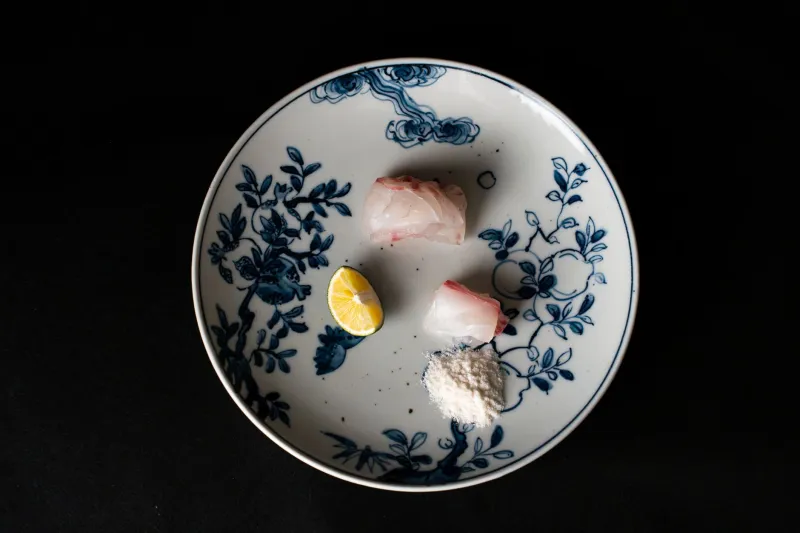
Most American cooks keep lemons in a bowl for tea, fish, or a last-minute pan sauce. In Hiroshima, the lemon is a working ingredient — a bright edge for rich food, a perfume for cabbage and pork, and a reminder that the Setouchi coast is one of Japan's great citrus regions. If you have ever finished an okonomiyaki and reached for something sharp, you already understand the idea.
The Setouchi Difference
Hiroshima sits along the Setouchi Inland Sea, where islands block wind, rain stays relatively scarce, and sunny days pile up. That climate is kind to citrus. Hiroshima has become one of Japan's leading lemon-growing areas, and the fruit from the region is prized for fragrant peel and lively acidity rather than sugary sweetness. The skin is often thin and oily; the juice is brisk. Japanese lemon cultivation in the area expanded through the twentieth century, but the local logic is older than that: rich coastal food benefits from a clean, sharp lift.
When Americans think of lemons, they often think of dessert. Setouchi lemons are more often a savory tool. They wake up fried food. They cut through sweet-savory sauces. They make a heavy winter plate feel lighter without changing its character.
Buying Lemons for Hiroshima-Style Cooking
Fresh Japanese lemons are not a normal supermarket item in the US, and that is fine. You are not trying to counterfeit a specific fruit; you are chasing the same balance: high acid, strong aroma, thin pith. Look for firm lemons with glossy, oily skin at farmers markets or specialty grocers. Eureka and Lisbon lemons are reliable. Meyer lemons are fragrant but lower in acid, so taste as you go and add extra juice if needed.
If you shop at a Japanese grocer, check for Japanese lemon products — juice, peel, or preserved lemon — but read labels and avoid sweetened lemon drinks. Bottled juice gives acid without perfume; zest gives perfume without much acid. Use both. A lemon that smells like nothing will taste like nothing, no matter how much you squeeze.
How Lemon Works at the Griddle
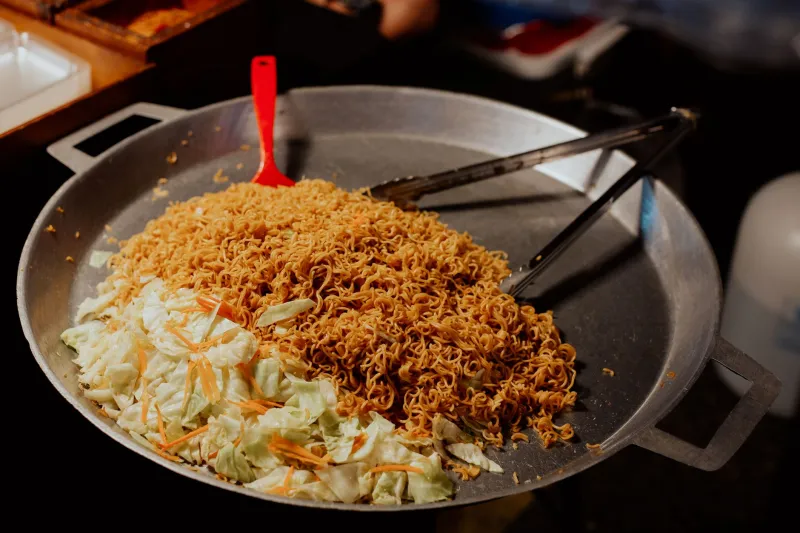
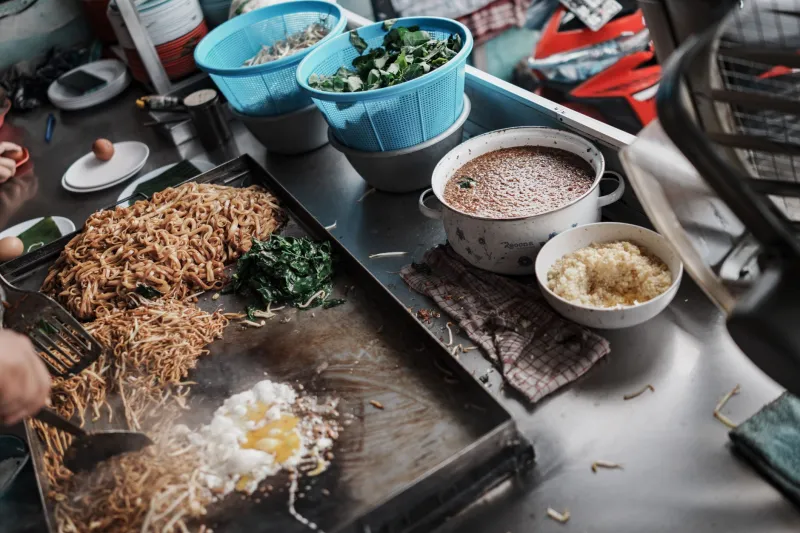
On an okonomiyaki griddle, lemon should arrive late. A little zest in the batter is good. A squeeze over the finished stack is better. Heat can mute the top notes of citrus, so treat the wedge as a condiment, not an ingredient to cook down. The acid cuts through pork fat, okonomi sauce, and mayonnaise. It also lifts the cabbage, which can taste sweet and watery under all that sauce. Think of lemon as the edge of the griddle: it keeps the whole plate from becoming one soft, rich note.
Three Lemon-Forward Weeknight Recipes
Lemon-Edge Okonomiyaki
Serves 2. Whisk 1 cup all-purpose flour, 1/2 teaspoon baking powder, 1/2 teaspoon salt, and the zest of 1 lemon. Add 2 eggs and 3/4 cup water or dashi; mix until just combined. Stir in 3 cups shredded green cabbage, 2 sliced scallions, and 4 slices bacon cut into pieces. Heat a nonstick skillet or griddle over medium. Oil lightly, add the batter, and spread into a round. Cook 4 to 5 minutes, flip, and cook 4 minutes more. Finish with okonomi sauce, mayonnaise, and a squeeze of lemon. Serve with extra wedges.
Crispy Oysters with Lemon Tartar
Thaw 12 frozen oysters according to the package, drain well, and pat dry. Stir 1/2 cup mayonnaise with the zest and juice of 1 lemon, 1 tablespoon chopped capers, and 1 tablespoon minced scallion. Season. Coat oysters in cornstarch, then fry in 1/2 inch of neutral oil over medium-high heat for 2 minutes per side. Drain on a rack. Serve with the lemon tartar and lemon wedges. The acid keeps the fryer richness in check.
Lemon Chicken and Cabbage Skillet
Heat 1 tablespoon oil in a large skillet. Brown 1 pound thin-sliced chicken thighs, then remove. Add 4 cups sliced cabbage, 2 sliced lemons with seeds removed, and 1 sliced onion; cook until softened. Return chicken, add 2 tablespoons soy sauce, 1 tablespoon mirin, and 1/2 cup stock. Simmer 5 minutes. Finish with black pepper and a squeeze of lemon. This is not classic Hiroshima cooking, but it follows the same logic: rich protein, sweet cabbage, sharp citrus.
Keep It Bright, Not Sour
Lemon is easy to overdo. Start with zest, taste, then add juice. If a dish tastes flat, a pinch of salt may do more than another squeeze. If it tastes harsh, a little butter or mayonnaise will round it out. The goal is not lemonade. The goal is a plate that feels lighter than it looks — the same trick Hiroshima cooks pull off every day at the griddle.