Pour, Flip, Repeat: A Hiroshima Sake Lineup for Your Home Griddle
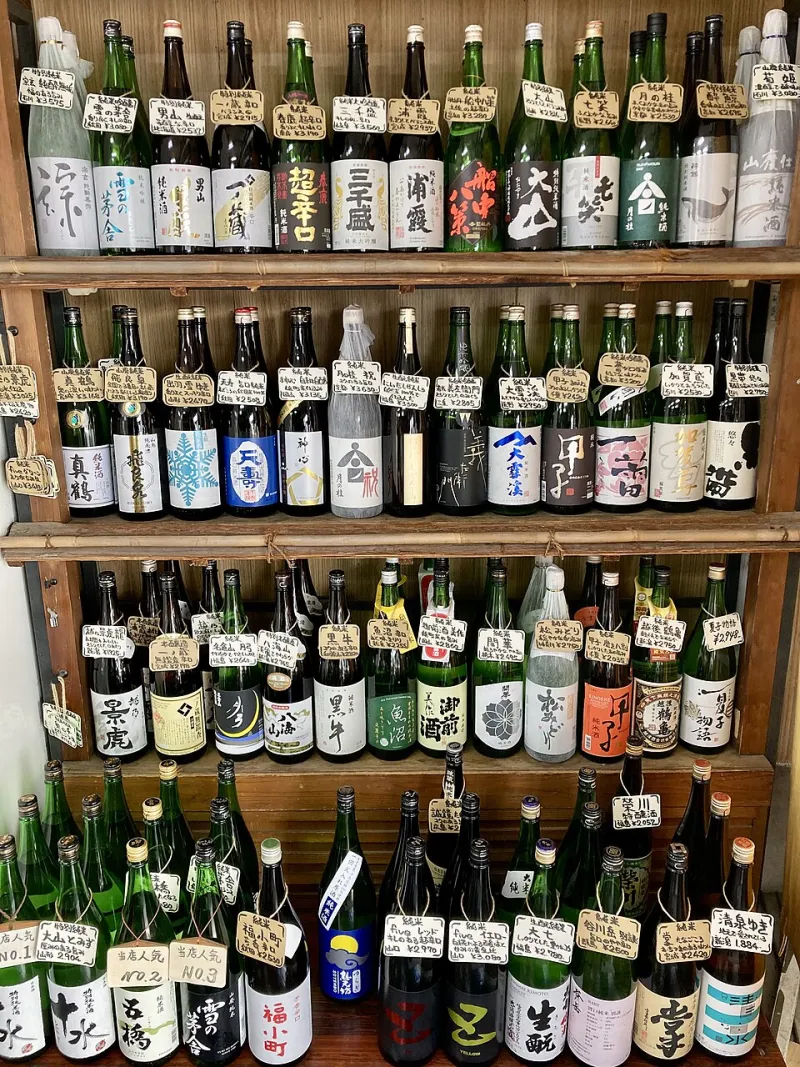
Photo: Dudva, CC BY-SA 4.0, via Wikimedia Commons
Okonomiyaki night at home already has a lot going for it: a hot griddle, a stack of cabbage, a cold drink, and no need to leave the house. The only thing that can make it feel fussy is sake. Bottles with unfamiliar labels, questions about temperature, and the fear of picking the wrong one can turn a relaxed dinner into a homework assignment.
Here is the good news. Hiroshima-area sake is built for this kind of food. Saijo, a small brewing district in Higashihiroshima, is one of Japan's classic sake towns, and its soft water tends to produce sake with a gentle, rounded edge rather than a sharp bite. That softness is exactly what you want next to crisp cabbage, savory pork, chewy noodles, and a sweet-tangy okonomiyaki sauce.
You do not need a sommelier. You need three bottles, a little patience with temperature, and a few prompts to get the table talking.
Start With the Griddle, Not the Label
A Hiroshima-style okonomiyaki is a layered affair: a thin crepe, a mountain of cabbage, pork, sometimes squid or oysters, a noodle layer, an egg, and a finish of sauce, mayonnaise, and aonori. Each layer changes the bite. Sake pairing works best when you stop looking for one perfect bottle and start thinking about what each bottle does to the stack.
Light sake lifts the cabbage. Richer sake stands up to pork and noodles. A soft, aromatic bottle can carry the sauce-heavy final bites. That is the whole framework. Everything else is preference.
The Three-Bottle Lineup
These are styles, not strict rules. Look for Hiroshima labels such as Kamotsuru, Hakubotan, or Kamoizumi when you can find them, but any well-made sake in the same style will get you most of the way there.
Bottle One: A Light Junmai, Chilled
This is your opener. Look for a junmai with a clean, rice-forward profile and modest aroma. It should feel crisp enough to cut through the wateriness of cooked cabbage without tasting thin. Serve it well chilled, around 45 to 50°F. If you have a refrigerator that runs cold, pull the bottle 10 minutes before the first pancake hits the griddle.
Try this one with the first unsauced bites. The point is to notice how the sake makes the cabbage taste sweeter and the pork taste cleaner.
Bottle Two: A Richer Junmai or Honjozo, Cool
Once the noodles and sauce arrive, the first bottle can start to feel a little light. That is where bottle two comes in. A richer junmai, or a honjozo with a bit more savory depth, gives you something to chew on alongside the pork and the wheaty noodle layer. Serve it cool to room temperature, roughly 55 to 65°F. Do not overthink it. If the bottle feels too cold, cup it in your hands for a minute.
This is the bottle for the middle of the meal, when the griddle is busy and nobody is paying close attention to the label.
Bottle Three: A Soft Ginjo or Nigori, Chilled
For the last round, especially if you are finishing with an egg layer or extra sauce, a softer, more aromatic ginjo can be a nice change of pace. A gentle nigori also works if you want something creamier and a little sweeter. Serve either one chilled. This is not the bottle to analyze. It is the bottle to pass around while the griddle cools down.
Temperatures Without a Thermometer
Sake temperature sounds technical, but it is mostly common sense. Chilled means refrigerator cold. Cool means it has been out for 10 to 15 minutes. Room temperature means exactly that. Warm means a gentle warmth, not hot tea. If you want to warm sake, place the bottle in a bowl of hot tap water for a few minutes, then test it with your finger. If it feels comfortable, it is ready.
Hiroshima sake tends to be forgiving here. A light junmai is at its best cold. A richer bottle opens up when it loses its fridge chill. If you accidentally serve everything too cold, nobody's night is ruined. Just let the glasses sit on the table while the first okonomiyaki cooks.
Tasting Prompts for the Table
You do not need formal tasting notes. You need a few questions that keep the table engaged without turning dinner into a lecture.
- Sip the sake before the first bite. Then take a bite. Then sip again. Ask whether the second sip tastes different.
- Try the same sake with and without sauce. Sauce changes everything, and it is fun to notice which bottle handles it better.
- Compare bottle one and bottle two with the cabbage layer. One will probably make the cabbage taste sweeter. The other will make it taste richer.
- Pay attention to the finish. Does the sake disappear quickly, or does it linger? Either answer is useful.
- Try the noodle layer with bottle two. If the sake suddenly tastes more savory, that is the pairing doing its job.
Shopping Notes for US Kitchens
Most of these bottles come in 720-milliliter sizes, which is enough for four people to taste without emptying the bottle. Expect to spend roughly $15 to $35 per bottle at Japanese groceries, larger wine shops, or online retailers. Look for the word junmai on the label and Hiroshima Prefecture on the back. If you see genshu, note that it is undiluted and often stronger, so pour a little less.
Store sake upright in a cool, dark place. Once opened, it is best within a couple of weeks, though a weeknight okonomiyaki habit will probably take care of that.
The Night Itself
Preheat the griddle, pour bottle one, and start stacking. Keep bottle two near the griddle but out of the heat. Save bottle three for the last few pancakes, when the pace slows down and the conversation turns from cooking to comparing sips. That is the whole plan. Saijo to the table, one flip at a time.