Crisp Shell, Quiet Kitchen: Sheet-Pan Kaki Furai for Oyster Night
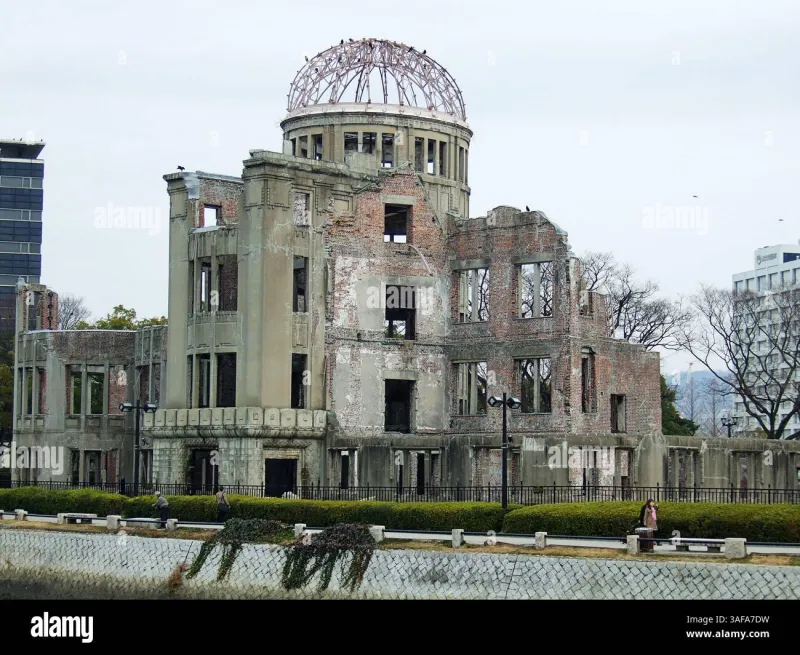
Hiroshima and oysters have a long, practical relationship. The Seto Inland Sea’s sheltered waters and tidal flats have supported oyster farming for generations, and the region is known for plump, briny oysters that show up grilled, simmered, and—especially—breaded and fried as kaki furai. In Japan, that dish often arrives with a tangle of shredded cabbage, a lemon wedge, and a dish of tartar sauce. It is simple food with a crisp edge.
The catch for American home cooks is usually the fry pot. A shallow saucepan of shimmering oil can turn a nice oyster supper into an event involving splatter guards, smelly air, and a lot of cleanup. There is a better way for a Tuesday: sheet-pan kaki furai. It will not be identical to the deep-fried version at a Hiroshima counter, but it delivers the same contrast—hot, juicy oyster inside; craggy panko outside—without the pot.
Start with the oyster, not the breading
For this method, look for shucked raw oysters in the refrigerated seafood case. Many US supermarkets sell them in small tubs, often labeled “select” or “extra small” depending on the season and supplier. You can also use frozen raw oyster meat, thawed overnight in the refrigerator and drained well. Avoid canned smoked oysters or oysters packed in oil; they are lovely in their own right but will not behave like fresh shucked oysters here.
Drain the oysters in a colander for a few minutes, then pat them dry with paper towels. This is not optional. Wet oysters steam, and steam fights the crisp shell you are trying to build. If the oysters are very large, cut them in half crosswise so they cook evenly. Keep them cold while you set up the breading station.
For food safety, treat raw oysters carefully: keep them refrigerated until the moment you bread them, wash your hands and work surface afterward, and cook the finished kaki furai until the oyster meat is opaque and firm, with an internal temperature of at least 145°F. The breading should be deeply golden, not pale.
The panko rules that matter
Panko is the point. Those large, airy flakes are what make kaki furai feel light instead of heavy. Do not crush them into fine crumbs, and do not blitz them in a food processor. Pour them into a shallow dish and leave them alone. If your panko looks mostly like dust at the bottom of the bag, buy a fresher bag. Japanese-style panko in an American grocery store is usually sold near the Asian foods or breadcrumbs; the best packages have broad, sliver-like flakes.
Set up three shallow dishes: flour seasoned lightly with salt and pepper, beaten egg, and panko. Pat each oyster dry again, then dip it in flour, shake off the excess, coat it in egg, and press it gently into the panko. Use one hand for dry ingredients and one for wet if you can. Press just enough that the flakes adhere—do not compact the panko into a tight shell. Place the breaded oysters on a plate or small tray and refrigerate them for 10 to 15 minutes. This brief chill helps the coating set.
Sheet-pan method, with an air-fryer note
Heat the oven to 425°F. Line a sheet pan with parchment paper for easier cleanup, then set a wire rack inside it. Lightly oil the rack. Arrange the breaded oysters on the rack with a little space between them. Give the tops a light spray of neutral oil or a gentle drizzle—not a soak. The oil helps the panko brown and crisp.
Bake for 10 to 14 minutes, depending on the size of the oysters, until the coating is golden and the oysters are cooked through. If the panko is browning unevenly, rotate the pan halfway through. For a little more color, run the broiler for 1 to 2 minutes at the end, but stay by the oven—panko can go from golden to scorched quickly.
If you have an air fryer, set it to 400°F and arrange the breaded oysters in a single layer, working in batches if needed. Air-fry for 8 to 10 minutes, checking early. The air fryer gives a slightly firmer crust; the sheet pan gives you more room and a quieter kitchen. Both are good answers to the same question.
The Hiroshima-inspired sides
Kaki furai is rich, so keep the plate bright. Shredded green cabbage is the classic companion. Toss it lightly with a squeeze of lemon, a pinch of salt, and a small drizzle of neutral oil or Japanese-style mayonnaise thinned with a little lemon juice. Let it sit while the oysters bake; the cabbage will soften just enough while keeping its crunch.
Lemon wedges are not decoration. Use them. A squeeze over the hot panko cuts through the richness and makes the oyster taste more like itself. For sauce, a quick tartar-style mix works well: Japanese mayonnaise, a spoonful of plain Greek yogurt or sour cream, chopped cornichons or dill pickles, a little minced onion, and lemon juice. If you want a Hiroshima-leaning table, add steamed rice, a simple miso soup, and maybe a dish of quick-pickled cucumber.
A supper that fits the home kitchen
This is not a restaurant replica, and it does not need to be. The pleasure of kaki furai at home is the contrast: a crisp, craggy shell; a hot oyster; cold, lemony cabbage; and a kitchen that still smells like dinner rather than a fryer. Serve the oysters as soon as they come out of the oven, with the cabbage alongside and extra lemon on the table. It is a Hiroshima-inspired oyster night that works in an American kitchen—no pot of oil required.