Miso at the Rim: A Hiroshima-Inspired Oyster Hot Pot for American Winters
A winter pot with a restaurant soul
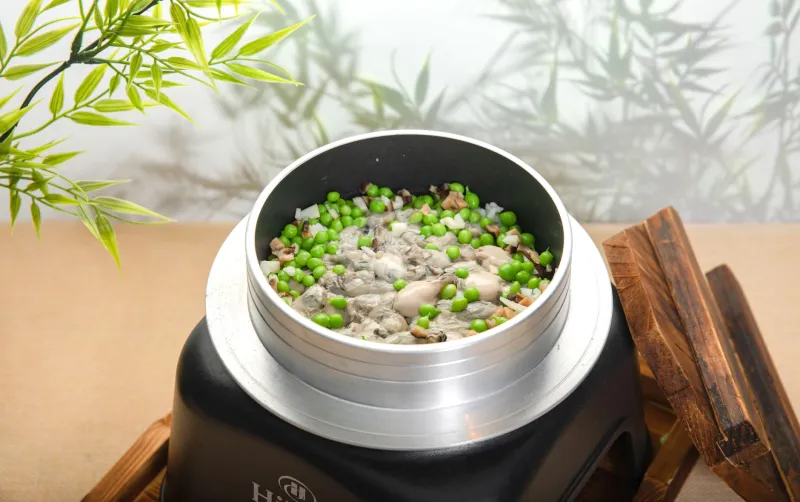
The first thing to know about kaki no dote-nabe is that it is less a recipe than a scene. In Hiroshima, winter brings oyster huts and busy izakaya tables, and dote-nabe is the kind of dish that arrives at the table still simmering, with a dark miso paste smeared around the inside rim of the pot. As the broth heats, that miso slides down and seasons everything. It looks dramatic. It also happens to be a very practical way to build a weeknight dinner.
The name helps. Dote means embankment or rim, a reference to that line of miso. The pot is usually built with oysters, tofu, vegetables, and a dashi-based broth, then finished with greens. Hiroshima's version leans on the region's oysters, which are famously plump and mild, but the method travels well. You do not need a Japanese ceramic pot, a special burner, or a restaurant supply store. A Dutch oven or a wide saucepan can do the job.
Think of this as a restaurant-inspired guide for the American kitchen, not a museum piece. The goal is a pot that tastes bright, briny, and deeply savory, with oysters that are cooked through but still tender.
Why Hiroshima oysters taste different
Hiroshima sits on the Seto Inland Sea, where relatively calm water and a mild climate have supported oyster farming for centuries. The region is one of Japan's most important oyster producers, and its oysters tend to be large, full, and gentle in flavor rather than aggressively briny. That matters for dote-nabe because the broth is already salty and fermented. You want oysters that can stand up to miso without disappearing into it.
In the US, you will not usually find oysters labeled by Hiroshima prefecture at the average fish counter. What you can look for is the same general profile: plump oysters with a clean, sweet, mineral finish. East Coast oysters from cooler waters can be sharper and brinier; West Coast oysters often run sweeter and creamier. Either can work. The recipe is flexible enough to meet the oyster you can actually buy.
Shopping for oysters without the guesswork
Start with a reputable fishmonger or a grocery seafood counter with high turnover. If you are buying live oysters in the shell, they should be closed tightly or close when tapped. Discard any that gape and do not respond. The shells should smell like the sea, not like a low tide at its worst. Ask for harvest tags if you are buying from a counter; in the US, those tags are part of the food-safety chain and a good sign that the shop is paying attention.
Shucked oysters are convenient for hot pot, but they are more perishable. Keep them refrigerated in their liquor and use them within a day or two of purchase. Frozen oysters can work in a pinch; thaw them in the refrigerator and drain them well, because excess water will thin the broth. Do not let oysters sit at room temperature while you prep the vegetables. Keep them cold until the moment they go into the pot.
Safety notes for a home hot pot
Oysters are a raw-bar pleasure for some people and a food-safety concern for others. In a hot pot, the oysters should be cooked thoroughly. That means letting them simmer until the edges curl, the flesh firms up, and the center is hot. The USDA recommends cooking fish and shellfish to 145°F, and that is a reasonable target here. If you use a thermometer, check a thick oyster; if you do not, cook until the oyster is plump and opaque rather than translucent.
People who are pregnant, immunocompromised, older, or cooking for young children should be especially careful with shellfish. Use separate cutting boards and utensils for raw oysters, wash your hands after handling them, and do not reuse the plate that held raw oysters for finished food. If you are unsure about the freshness of a batch, do not cook with it. A hot pot is not a rescue mission.
Building the pot
For a home version, make a simple dashi. Instant dashi powder is fine. So is a quick steep of kombu and bonito flakes if you have them. You want about six cups of broth. Season it lightly with soy sauce and a little sake or dry sherry. Do not over-salt it at this stage; the miso rim will bring plenty of salt.
For the miso, use a blend. White miso gives you sweetness and body; red miso adds depth. A 2-to-1 ratio of white to red is a good starting point. Smear about three tablespoons around the inside rim of a Dutch oven or wide pot, leaving the bottom clear. Add the broth, then bring it to a gentle simmer. The miso will gradually melt into the liquid.
Add firm tofu cubes, napa cabbage cut into bite-size pieces, sliced shiitake or cremini mushrooms, and a handful of carrots. Simmer until the vegetables are just tender. Then add the oysters, nestling them into the broth, and cook for two to three minutes, until they are plump and cooked through. Finish with scallions and spinach or another tender green. Taste, and add a little more miso if the broth needs it.
Restaurant-inspired ways to finish the table
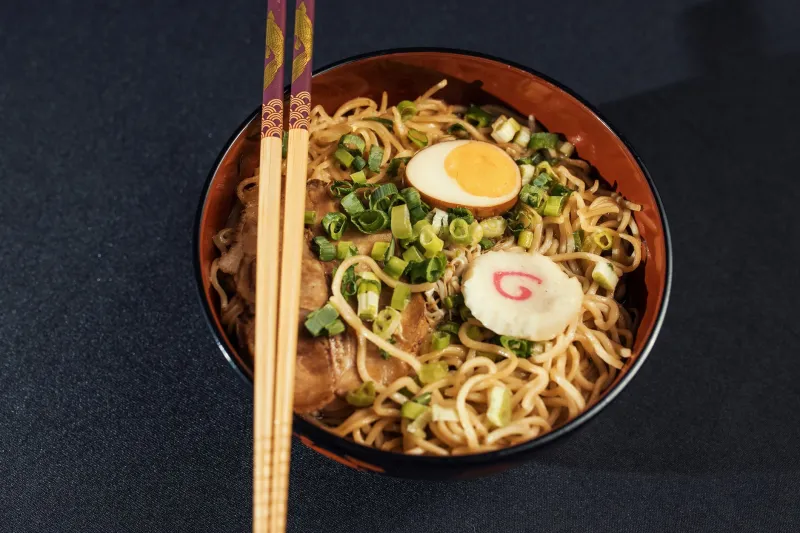
In Hiroshima, dote-nabe often ends with noodles or rice added to the remaining broth. That is the move. Have cooked udon or a bowl of hot rice ready, and let people add it to their bowls with a ladle of broth. A little ponzu, grated daikon, or yuzu kosho on the side gives the pot a bright edge. Shichimi togarashi is good for anyone who wants heat.
If you want to make it feel more like an izakaya table, serve the pot with small plates: salted edamame, pickled cucumbers, and maybe a simple grilled fish. Keep the oysters as the centerpiece. A dry sake or a crisp lager works well, but so does cold barley tea.
The best part of dote-nabe at home is that it does not demand precision. It rewards good shopping, a gentle simmer, and a table full of people who are willing to ladle their own bowls. That is restaurant energy without the reservation.