The Noodle Layer Next Door: Finding Hiroshima-Style Okonomiyaki in the US in 2026
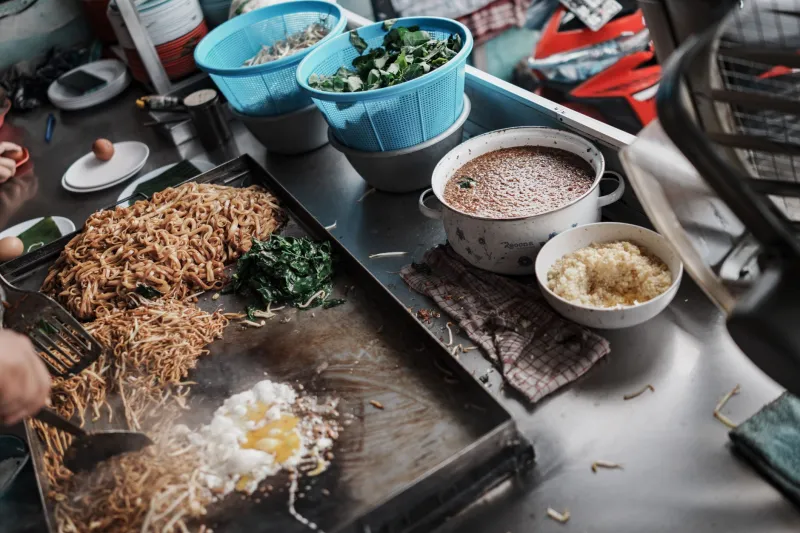
Hiroshima-style okonomiyaki is hiding in plain sight. You will see the word okonomiyaki on menus from New York to Los Angeles, but most of the time it refers to the Osaka style: cabbage mixed into a thick batter, cooked like a savory pancake, finished with sauce and mayonnaise. Hiroshima-style is different. It is built in layers—thin crepe, cabbage, bean sprouts, pork or another protein, noodles, and an egg blanket—and it eats like a cross between a griddle cake and a noodle dish.
In 2026, the US okonomiyaki scene is still small, but it is more findable than it used to be. Dedicated griddle counters have opened beyond the usual Japanese-food hubs, izakayas are slipping Hiroshima-yaki onto seasonal menus, and Japanese grocery counters are hosting pop-ups. The trick is knowing what to ask for and what the plate should look like when it arrives.
First, spot the difference
Osaka-style okonomiyaki is a mixed-batter pancake. The cabbage is folded into the batter, the pancake is thick, and the texture is soft and custardy in the middle. Hiroshima-style is a stacked pancake. The batter is a thin crepe, the cabbage steams on top, the noodles sit above the cabbage, and the egg goes on last. If the menu says Hiroshima-yaki, Hiroshima-style okonomiyaki, layered okonomiyaki, or soba-iri okonomiyaki, you are probably in the right place.
If the menu says modan-yaki, that is usually Osaka-style okonomiyaki with noodles mixed in. It can be delicious, but it is not the Hiroshima stack. If the menu just says okonomiyaki with no qualifier, ask. That one question will save you from ordering the wrong pancake.
Five places and patterns to know in 2026
1. Chinchikurin, Los Angeles
Chinchikurin is the closest thing the US has to a Hiroshima-style okonomiyaki specialist with a recognizable following. The Los Angeles locations have built their reputation on the layered style, and the counter seats are the best place to watch the stack come together. Order the Hiroshima-style okonomiyaki with soba noodles and an egg on top. Ask for extra scallions if you like a sharper finish. The noodles should be visible under the egg, and the cabbage should still have a little bite.
2. Gaijin, Chicago
Gaijin is an izakaya, not a dedicated okonomiyaki shop, so the menu can shift with the season. That is exactly why it is worth calling ahead. Ask whether okonomiyaki is on the menu, whether it is Hiroshima-style or Osaka-style, and whether noodles are included or an add-on. If the kitchen is offering a layered version, sit at the counter and order it with a side of pickles. The vibe is lively, so it is a good entry point for anyone who wants okonomiyaki alongside other small plates.
3. Otafuku, New York City
Otafuku has long been a useful name for okonomiyaki in New York, and the East Village location is a good place to practice your menu-spotting. Confirm before you go: the style can vary, and not every okonomiyaki order comes with the noodle layer. Ask for Hiroshima-style specifically, and ask whether the egg is cooked on top. If the kitchen is doing Osaka-style only, order it anyway—but know what you are getting.
4. Izakaya counters in Seattle, Portland, and San Francisco
The West Coast has a deeper bench of Japanese izakayas, and many of them run okonomiyaki as a special rather than a full-time item. Look for restaurants with a teppan or griddle section, then ask the same three questions: Is the cabbage layered or mixed into the batter? Does it come with noodles? Is the egg cooked on top? A yes to all three is a good sign. A yes to only the first two is still worth eating, but it may be a home-style riff rather than a classic Hiroshima stack.
5. Japanese grocery counters and pop-ups in Honolulu and Torrance
Some of the best Hiroshima-style okonomiyaki in the US is not in a restaurant at all. Japanese grocery counters, community festivals, and pop-ups in places like Honolulu and Torrance occasionally serve Hiroshima-yaki to order. These are word-of-mouth operations, so check local Japanese-language newspapers, grocery bulletin boards, and Instagram before you go. The payoff is often a very homey version with a generous cabbage layer and a sauce that tastes like someone's family recipe.
What to order when you find it
Start with the plain Hiroshima-style okonomiyaki—cabbage, bean sprouts, pork belly, noodles, egg, sauce, aonori, and pickled ginger. If the menu offers a choice of noodles, soba is the classic default; udon makes a chewier, heavier stack. If there is a seafood option, oysters are a natural Hiroshima pairing, but they can overwhelm a first-timer. Order one plain version and one with a topping so you can compare.
Ask for the sauce on the side if you are sensitive to sweetness. Hiroshima-style sauce tends to be fruit-forward and a little tangy, and some US kitchens lean heavier on the mayonnaise than a Hiroshima shop would. A thin zigzag is enough. You want to taste the cabbage and the egg, not just the condiments.
How the layers should look
A proper Hiroshima-style okonomiyaki should arrive as a round stack, not a thick puck. The crepe underneath should be thin and slightly crisp at the edges. The cabbage should be piled high but steamed down, with a little snap left. The noodles should form a distinct layer, not a tangled surprise in the batter. The egg should cover the top like a thin blanket. The sauce should be painted on, not poured.
If the okonomiyaki arrives as a mixed batter disc with noodles folded inside, you are eating Osaka-style. That is not a failure—it is just a different dish. If it arrives with a thick layer of mayonnaise and no visible cabbage, the kitchen may be leaning into a novelty version. Adjust your expectations and enjoy it for what it is.
Practical travel notes for 2026
Call ahead. Okonomiyaki is often a seasonal or limited-menu item in US izakayas, and a place that had it last month may not have it today. Go at off-peak hours if you want to sit at the counter and ask questions. Counter seats are usually the best view of the griddle, and the cook can tell you exactly how the stack is built. If you are traveling with someone who has never had okonomiyaki, order one Hiroshima-style and one Osaka-style so they can taste the difference side by side.
Finally, do not expect the US version to be a perfect replica of a Hiroshima shop. The cabbage may be a different variety, the noodles may be ramen instead of yakisoba, and the sauce may be sweeter. The point is the structure: thin crepe, cabbage, noodles, egg, sauce. Once you know how to spot that stack, you will find it in more places than you expected.