The Soft-Spoken Rice Bowl: Getting to Know Hiroshima's Anago Meshi
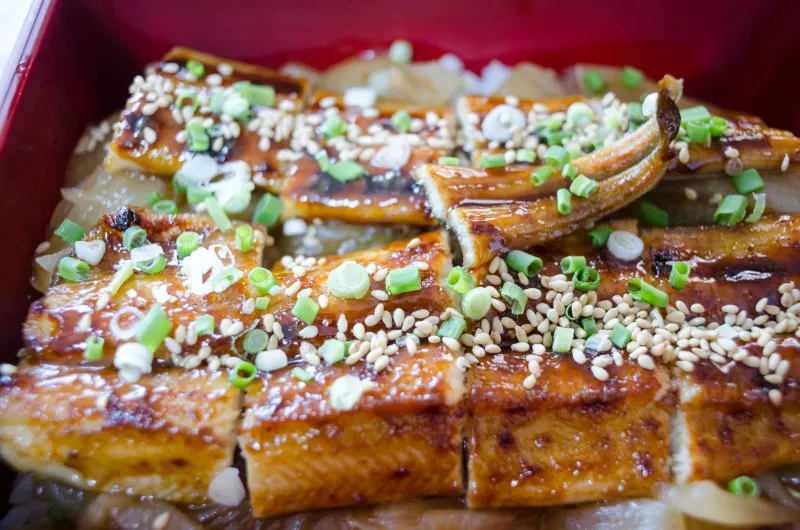
Hiroshima is famous for okonomiyaki, but the city also has a quieter comfort food that deserves more attention. Anago meshi is a rice bowl topped with conger eel, usually glazed with a light tare and served with pickles and a clear soup. It is the kind of dish that does not shout for attention. The eel is soft, the sauce is restrained, and the rice does most of the supporting work. For anyone building a Hiroshima food vocabulary, it belongs right next to the griddle classics.
What anago meshi actually is
Anago is conger eel, a saltwater fish that is common in Japanese coastal cooking. In Hiroshima, it is often grilled or simmered, then laid over steamed rice. The tare is usually lighter and less sweet than the thick glaze used for unagi. Some versions use chopped or sliced eel, and some serve it in a wooden box, which helps the rice stay warm and absorb the sauce. The garnish is simple: sansho pepper, nori, scallions, or pickled ginger. It is not a festival dish. It is a lunch dish, a station bento, a bowl you order when you want something gentle and savory.
Anago vs. unagi, without the seafood snobbery
Unagi is freshwater eel, and it is usually richer, oilier, and more heavily glazed. Anago is milder and softer, with a texture that can feel almost delicate. The two are not interchangeable in a blind tasting, but they are cousins in spirit. If you like unagi, you will probably like anago. If unagi feels too sweet or too heavy, anago meshi may be the better entry point.
In the US, unagi is easier to find. Frozen unagi fillets are sold in many Asian groceries, and unagi sushi is common. Anago is less visible, but it is not impossible. Look for frozen anago at Japanese supermarkets, or ask at the seafood counter of a large Asian grocery. Some online Japanese grocers carry anago kabayaki, which is already grilled and glazed. Read the label carefully. If it says unagi, it is not the same fish, though it can still make a good rice bowl.
Why Hiroshima claims it
Hiroshima sits on the Seto Inland Sea, and conger eel has long been part of the region's coastal cooking. Anago meshi fits the city's food personality: practical, generous, and not overly fussy. It is the sort of dish that shows up in department store food halls, casual restaurants, and train station bento. It does not have the theatrical appeal of okonomiyaki, but that is exactly the point. It is everyday food with a long memory.
For visitors, anago meshi is also a useful counterweight to Hiroshima's heavier specialties. After a few okonomiyaki meals, a bowl of rice with soft eel and a clean tare can feel like a reset. It is also a good introduction to Japanese rice-bowl culture for anyone who is not ready for raw fish.
A home-kitchen version with frozen anago
You can make a convincing anago meshi at home without a charcoal grill. Start with short-grain rice. Rinse it, cook it, and keep it warm. For the tare, simmer 1/4 cup soy sauce, 2 tablespoons mirin, 2 tablespoons sake, and 1 tablespoon sugar for a few minutes until it thickens slightly. If you want a lighter version, use less sugar and add a splash of water.
Thaw frozen anago in the refrigerator. Pat it dry, then warm it in a skillet with a little of the tare. Do not boil it. You just want to heat it through and give it a glaze. Slice it into strips and lay it over the rice. Spoon a little extra tare over the top, then finish with nori, scallions, and a pinch of sansho if you have it. If you cannot find anago, frozen unagi will work, but use a lighter hand with the sauce. Another option is smoked white fish or grilled mackerel, though the result will be a different dish. Think of it as anago-inspired rice bowl rather than a strict recreation.
The 2026 sourcing guide
In the US, the best places to look for frozen anago are Japanese supermarkets and larger Asian groceries in cities with strong Japanese food scenes. Mitsuwa, Nijiya, H Mart, and Uwajimaya are good starting points. Online, Weee! and specialty Japanese grocers sometimes carry anago kabayaki. Availability changes, so check labels and product photos. Expect frozen anago to cost more than frozen unagi, and do not be surprised if it comes already glazed. If you are near a Japanese seafood counter, ask whether they can order it. Some restaurants will also sell frozen anago if you call ahead, though not all do.
Finding anago meshi at US restaurants
Anago meshi is not a standard menu item in most American Japanese restaurants, but it appears in pockets. Look at unagi specialists, izakayas, and Japanese restaurants with regional lunch menus. In Los Angeles, New York, Seattle, Chicago, and Honolulu, there are enough Japanese restaurants that you can find anago sushi fairly often. Anago meshi is rarer. Call ahead and ask if they serve conger eel over rice, or if they can make it as a special. If the menu lists anago nigiri, that is a good sign. If it lists unagi don, do not assume it is the same thing.
When you do find it, order it before you order the more familiar dishes. Anago meshi is best when it is the center of the meal, not a side note. Ask whether the tare is house-made, and whether the eel is grilled to order. Those details tell you a lot about how much care the kitchen puts into the dish.
The quiet appeal
Anago meshi will probably never be as famous as Hiroshima okonomiyaki, and that is fine. It is a bowl for the middle of the day, for train rides, for the kind of hunger that wants something soft and savory rather than loud. If you live in the US, you can approximate it with frozen anago and a simple tare. If you are lucky enough to find it on a menu, order it and take your time. It is one of Hiroshima's best-kept comfort foods, and it rewards a little curiosity.